
Vacuum Sealer for Zero Waste Cooking: The Complete Guide for an Eco-Conscious Kitchen
A vacuum sealer for zero waste cooking is one of the most effective tools you can add to a sustainable kitchen — not because it’s perfect, but because food waste is a massive environmental problem and vacuum sealing genuinely solves a chunk of it. The catch? It relies on plastic bags, and that tension is real and worth addressing honestly. This guide covers how vacuum sealing works, how to minimize the plastic footprint, what foods to seal (and what to never seal), and how to build a complete low-waste preservation system around it.
Why Food Waste Is the Problem a Vacuum Sealer Actually Solves
Most zero-waste kitchen conversations focus on reusable bags, beeswax wraps, and compostable trash liners. Those things matter. But the single biggest source of household waste — financial and environmental — is food that gets thrown away before it’s eaten. A vacuum sealer attacks that problem at the root.
The Real Environmental Cost of Food Waste
The USDA estimates that 30–40% of the U.S. food supply is wasted — roughly 133 billion pounds per year. That’s not a rounding error. That’s a systemic failure happening in refrigerators, on countertops, and in the back of pantry shelves across the country.
The EPA identifies food waste as the single largest category of material sent to U.S. municipal landfills and incinerators, where it generates methane — a greenhouse gas more than 80 times more potent than CO₂ over a 20-year period. When your leftover roasted chicken or half-used bag of lentils ends up in the trash, it doesn’t just disappear. It breaks down anaerobically and releases climate-damaging gases.
A vacuum sealer won’t eliminate food waste on its own. But it meaningfully extends the window in which food is actually usable — fewer half-eaten bags of frozen berries developing freezer burn, fewer blocks of cheese going moldy after three days, fewer batches of bulk grains going stale before you get through them. That’s a direct environmental benefit, not just a convenience one.
How Much Food and Money Does Vacuum Sealing Actually Save?
The financial case is compelling even before you get to the environmental one. The average American household of four throws away roughly $1,500 worth of food per year, according to USDA estimates. That number is heavily concentrated in fresh produce, proteins, and dairy — all categories where vacuum sealing delivers significant shelf-life gains.
Where the savings actually stack up:
- Bulk proteins: Buying chicken breasts or ground beef in bulk and sealing individual portions cuts per-pound cost by 30–50% compared to buying in smaller packages.
- CSA and farmers market surplus: A late-summer CSA box often arrives with more zucchini, tomatoes, or peppers than one household can eat in a week. Vacuum sealing extends that produce into October and beyond.
- Cheese: A vacuum-sealed block of Parmesan or sharp cheddar lasts 4–8 months in the refrigerator versus 2–3 weeks once opened. At $8–$15 per block, that adds up quickly.
- Grains and legumes: Dried lentils and rice are already shelf-stable, but vacuum sealing them keeps flavors fresher and blocks pantry pests.
Families who use vacuum sealers consistently as part of a bulk-buying and meal-prep system report real reductions in their weekly grocery spend — not through deprivation, but through actually eating what they buy.
How Vacuum Sealing Works — And Why It Extends Food Life So Dramatically
Understanding the mechanism isn’t just background knowledge. It helps you use the tool more effectively and make smarter choices about which foods to seal and how.
What Happens When You Remove Oxygen From Food Storage
Food spoils through several pathways: oxidation, microbial growth, moisture loss, and enzymatic activity. Oxygen drives almost all of them.
When you vacuum seal food, you remove roughly 99% of the air from the bag before heat-sealing it shut. With no oxygen present:
- Aerobic bacteria — the kind responsible for most surface spoilage — can’t grow.
- Oxidation stops, preventing fats from going rancid and keeping colors and flavors stable.
- Freezer burn is essentially eliminated. Freezer burn happens when ice crystals sublimate — converting directly to vapor — from food exposed to air. No air, no sublimation.
- Enzymatic browning (what turns cut apples brown or makes avocado go gray) slows dramatically.
The practical result is significant. Vacuum-sealed food stored in the freezer can last 2–3 years compared to 6–12 months in conventional freezer bags, and up to five times longer in the refrigerator. Those aren’t marketing numbers; they reflect the well-documented relationship between oxygen exposure and spoilage rates.
Refrigerated strawberries in a vacuum bag can last 1–2 weeks versus 2–3 days in a standard container. Properly sealed and frozen, they can stay high-quality for up to 12 months.
Vacuum Sealing vs. Ziploc Bags, Containers, and Plastic Wrap
| Storage Method | Fridge (produce) | Freezer (proteins) | Pantry (grains) |
|---|---|---|---|
| Conventional Ziploc bag | 3–5 days | 4–6 months | 6–12 months |
| Airtight container | 5–7 days | 4–6 months | 12 months |
| Plastic wrap | 2–3 days | 3–4 months | Not recommended |
| Vacuum sealed bag | 1–2 weeks | 2–3 years | 2–3 years |
The differences are most dramatic in the freezer. That’s where vacuum sealing earns its place in a zero-waste kitchen — not just for freshness, but because food that holds quality for two-plus years is food you’ll actually use instead of eventually throwing away with a guilty conscience.
The Sustainability Tension: Does Vacuum Sealing Create Plastic Waste?
This is the question every eco-conscious buyer asks, and most product reviews ignore it entirely. Let’s address it directly.
The Problem With Single-Use Vacuum Bags
Standard FoodSaver-style bags are made from multi-layer plastic film — typically nylon and polyethylene. They’re not recyclable through standard curbside programs. Most end up in the trash after a single use, which means every time you seal a bag of chicken breasts, you’re adding a piece of non-recyclable plastic to the waste stream.
The cost adds up too. Pre-cut FoodSaver bags run approximately 25–35 cents each. If you’re sealing 5–10 items per week, that’s $65–$180 per year in bags alone — bags that go straight to landfill.
This is the core sustainability tension: the tool reduces food waste, but it generates plastic waste. It doesn’t resolve itself automatically. You have to be intentional about how you manage it.
Plastic-Free and Low-Waste Alternatives: Silicone Bags, Mason Jar Attachments, and Reusable Canisters
The good news is that real solutions exist, and they work better than most reviews suggest.
Reusable vacuum seal bags
Several brands make reusable bags designed specifically for vacuum sealing. Stasher, Zwilling Fresh & Save, and FoodSaver’s own reusable line are the most widely available. These bags can typically be washed and reused 20–30 times before seal integrity degrades. Over their lifespan, one reusable bag replaces 20–30 single-use bags.
The Zwilling Fresh & Save bags are worth a specific mention. They have a valve at the top that works with Zwilling’s handheld pump and several other compatible pumps. They’re not compatible with heat-sealing edge sealers, but for refrigerator and short-term freezer storage, they perform well. A set of three costs around $25–$30 and lasts years with proper care.
Mason jar sealing attachments
This is one of the most underutilized tools in the zero-waste kitchen. Most major vacuum sealer brands — FoodSaver, Nesco, Weston — sell jar sealer attachments for both regular-mouth and wide-mouth mason jars. You place the attachment over the lid, connect it to your vacuum sealer’s accessory port, and it pulls air from the jar before you remove the attachment.
Mason jar sealing works well for:
- Dried beans, lentils, rice, oats, and other bulk pantry staples
- Coffee and loose-leaf tea
- Dehydrated herbs and spices
- Nuts and seeds
The jar is entirely reusable. The lids are the only consumable, and standard mason jar lids cost pennies. This is genuinely close to a zero-waste storage solution — and one of the most effective ways to use a vacuum sealer without generating any plastic bag waste at all.
Reusable vacuum canisters
FoodSaver, Rubbermaid, and several other brands make rigid plastic or glass canisters with a valve in the lid that connects to your vacuum sealer. The FoodSaver V4-series and V5-series machines include canister ports; the canisters themselves are dishwasher-safe and last for years.
Glass canisters (Kilner makes a vacuum-compatible version) are the most sustainable option here. Glass is infinitely recyclable, non-toxic, and doesn’t absorb odors or stain.
How to Minimize Plastic When Vacuum Sealing
Here’s a practical hierarchy for a low-waste vacuum sealing system, from lowest plastic impact to highest:
1. Mason jars with sealing attachment — zero plastic, fully reusable, great for dry goods
2. Glass vacuum canisters — minimal plastic (just the lid valve), dishwasher-safe
3. Reusable silicone or plastic zip bags with handheld pump — 20–30 uses per bag, good for fridge storage
4. Chamber sealer pouches — thinner plastic, cheaper, and more reuse-friendly than edge-sealer bags
5. Reusable FoodSaver-style bags — washable, multi-use
6. Single-use vacuum bags, washed and reused — most standard bags can be hand-washed and reused several times for non-meat items
7. Single-use vacuum bags, used once — lowest on the list, but still environmentally positive if they’re preventing significant food waste
The honest answer to “is vacuum sealing zero waste?” is: not perfectly. But a single-use vacuum bag that preserves three meals’ worth of chicken breasts from freezer burn generates less environmental harm than the methane from three wasted servings of protein decomposing in a landfill. The math favors sealing.
If you’re committed to minimizing plastic, use mason jars for pantry items, reusable bags for the refrigerator, and reserve single-use bags for long-term freezer storage where seal integrity matters most. That system gets you most of the preservation benefits with a fraction of the plastic footprint.
For bags that can’t be reused, TerraCycle’s Zero Waste Box program accepts flexible plastics including vacuum bags. It’s not free, but it’s an option for households committed to keeping all plastic out of landfill.
Types of Vacuum Sealers — Which One Is Right for a Zero Waste Kitchen?
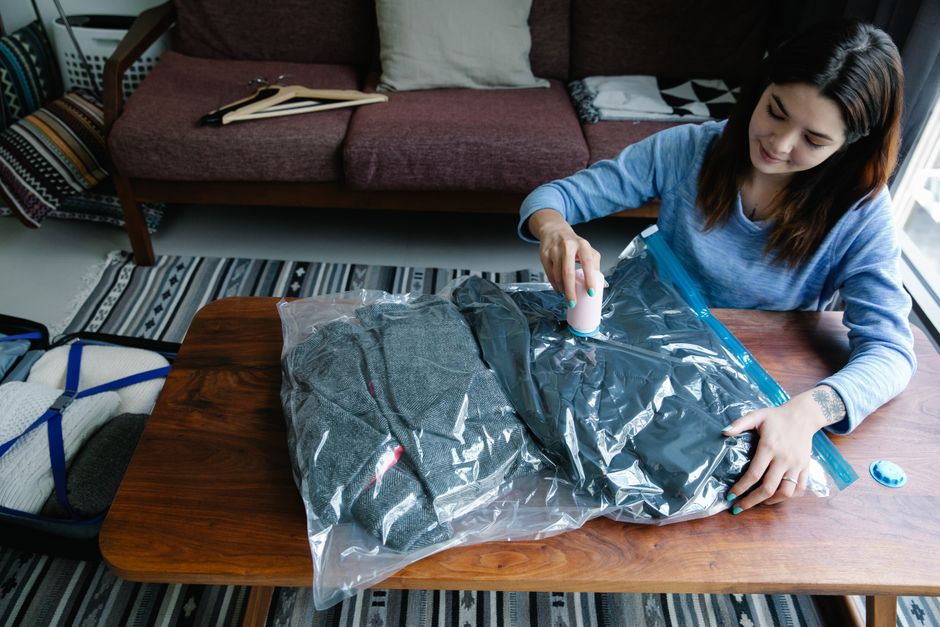
There are three meaningful categories, and they differ in ways that matter for sustainability-minded buyers.
External (Edge) Vacuum Sealers: Affordable and Widely Available
External sealers — sometimes called edge sealers or clamp-style sealers — are the most common consumer format. FoodSaver’s V4400 and V5860, Nesco’s VS-12, and Weston’s Pro-2300 are representative examples. They clamp down on the open end of a bag, use a vacuum pump to pull air out through that opening, and then heat-seal the bag shut.
Strengths:
- Price range of $50–$200 makes them accessible
- Wide availability of compatible bags
- Work well for dry foods, grains, proteins, and most produce
- Most mason jar and canister attachments are designed for this format
Weaknesses for zero-waste kitchens:
- Require purpose-made bags; you can’t repurpose other packaging
- Struggle with wet or liquid-containing foods — the vacuum pulls liquid toward the seal, causing failures
- Bag cost adds up over time
- Designed primarily for single-use bags, though reusable bags are compatible with some models
If you’re buying an external sealer with sustainability in mind, prioritize models with an accessory port (for jar attachments and canisters), a moist food or pulse setting, and a strong warranty — 5+ years minimum.
Chamber Vacuum Sealers: Better for Wet Foods and Lower Plastic Per Use
Chamber sealers work differently. The entire bag goes inside a sealed chamber. The machine pulls a vacuum from the whole chamber — including the bag interior — and then heat-seals the bag before releasing the vacuum. Because there’s no suction through the bag opening, they handle wet foods, marinades, and liquids without issue.
Chamber sealers are the professional standard, and they’re increasingly available at home-kitchen price points. The VacMaster VP215, Anova Precision Chamber Vacuum Sealer, and Avid Armor USV32 are popular models ranging from $350–$600.
Why chamber sealers work better for zero-waste kitchens:
- Compatible with standard poly bags: Chamber sealers use thinner, cheaper bags — often 8–12 cents each versus 25–35 cents for FoodSaver precut bags. Less plastic per use, lower cost.
- Bags are more reusable: The thinner chamber pouches are easier to wash and re-seal. You can cut off the seal point and re-seal the remaining bag multiple times until the bag is too short to use.
- Better seal quality: The chamber environment creates a more consistent seal than edge sealers, which means less seal failure waste and fewer do-over bags.
- Sous vide compatible: Chamber sealers can seal bags containing a small amount of liquid, making them ideal for sealing marinades and going directly from prep to freezer to pot.
The main drawback is cost and counter space. Chamber sealers are larger, heavier, and more expensive than edge sealers. For a household that seals occasionally, the investment may not make sense. For a household that batch cooks, preserves seasonal produce, and uses a vacuum sealer several times a week, the lower plastic generation and better per-use economics make a chamber sealer the more sustainable long-term choice.
Handheld and Compact Sealers: Great for Everyday Use, Less Ideal for Long-Term Freezing
Handheld vacuum sealers — the Zwilling Fresh & Save pump, FoodSaver’s handheld model, the Caso VC 10 — use a small motorized pump or manual suction to remove air from specially designed zip bags or containers. They don’t heat-seal; they rely on a zip closure plus reduced air pressure.
Strengths:
- Compact, affordable ($20–$60)
- Work with reusable zip bags and canisters
- Good for refrigerator storage — produce, cheese, marinated proteins
- Ideal for everyday use without consuming single-use bags
Weaknesses:
- Not sufficient for long-term freezer storage (air slowly re-enters through the zip closure)
- Not compatible with roll-style vacuum bags or bulk bag formats
- Less effective than heat-sealed bags for 6+ month freezer storage
For many zero-waste households, the best setup combines both: a handheld sealer with reusable bags for daily refrigerator use, plus a full-size external or chamber sealer for long-term freezer storage. This maximizes flexibility while minimizing single-use bag consumption.
Are Vacuum Sealer Bags Non-Toxic? What to Look for
This question gets almost no attention in vacuum sealer reviews, which is strange because food safety and material toxicity are legitimate concerns — especially for a product that involves storing food at freezer temperatures and, in some cases, cooking in the sealed bag.
BPA-Free, Phthalate-Free, and Food-Grade Materials Explained
Standard vacuum sealer bags are made from two or more layers of plastic film, typically:
- Nylon (polyamide): the outer layer, which provides puncture resistance and creates the textured channel pattern that allows air to be vacuumed out
- Polyethylene (PE): the inner layer, which contacts food directly
Both nylon and polyethylene are FDA-approved for food contact. Neither is typically made with BPA (bisphenol A), which is primarily associated with polycarbonate plastics and certain epoxy resins — not the nylon/PE films used in vacuum bags.
That said, not all vacuum bags are equal. When evaluating bags, look for:
- Explicit “BPA-free” labeling: Standard PE is unlikely to contain BPA, but explicit labeling confirms it.
- Phthalate-free: Phthalates are plasticizers used to make rigid plastics flexible. Some plastic films use them; many don’t. FoodSaver, Zwilling, and most reputable bag brands explicitly state their bags are phthalate-free.
- FDA-compliant or food-grade designation: This confirms the materials meet regulatory standards for food contact.
- PFAS-free: PFAS (per- and polyfluoroalkyl substances) appear in some non-stick coatings and certain packaging. PFOA specifically has been linked to thyroid disease, certain cancers, and immune suppression, according to some studies. Standard vacuum bags don’t typically contain PFAS, but if you’re buying from an unfamiliar manufacturer, it’s worth checking.
Are Vacuum Bags Safe at Freezer Temperatures?
Yes — with a caveat about cooking in the bag. Standard nylon/PE vacuum bags are stable at freezer temperatures (-20°F to 0°F). Under normal storage conditions, the plastic doesn’t leach in meaningful quantities at cold temperatures.
The more relevant safety question is whether bags are safe for sous vide cooking, which involves immersing a sealed bag in water heated to 130–185°F for extended periods. Most quality vacuum bags — FoodSaver, Weston, Nesco — are rated for cooking temperatures up to 195°F and safe for sous vide. Look for bags labeled “cooking safe” or “BPA-free for heat” if you plan to use them for sous vide or reheating in boiling water.
Bags not rated for heat should never be used in any cooking application. Using an unsafe bag at high temperatures can cause plastic compounds to migrate into food.
What to Avoid When Choosing Bags for a Non-Toxic Kitchen
- Generic bags without material disclosures: Some very cheap bags from no-name sellers provide no information on materials or certifications. Skip them.
- Bags with “non-stick” coatings: There’s no reason a vacuum bag needs a non-stick coating, and any such coating on a food-contact surface warrants scrutiny.
- Reusing single-use bags for raw meat more than once: Even safe bags accumulate micro-scratches that can harbor bacteria. Reuse is fine for dry goods and cooked foods; raw meat bags should be disposed of after one use or repurposed for non-food storage.
- Bags with no country-of-manufacture information: Bags sold for the EU market must meet stricter food-contact material regulations. EU-compliant bags are a reasonable baseline for non-toxic verification.
What to Vacuum Seal — And What You Should Never Seal
Some foods are genuinely unsafe to vacuum seal at room temperature, and the risk is serious enough to deserve clear attention — not a buried footnote.
The Best Foods to Vacuum Seal for Maximum Freshness
| Food | Fridge (unsealed) | Fridge (vacuum sealed) | Freezer (unsealed) | Freezer (vacuum sealed) |
|---|---|---|---|---|
| Raw chicken | 1–2 days | 6–9 days | 6 months | 2–3 years |
| Ground beef | 1–2 days | 4–7 days | 4 months | 2–3 years |
| Fresh fish | 1–2 days | 4–5 days | 3–6 months | 1–2 years |
| Hard cheese | 2–3 weeks | 4–8 months | 6 months | 1–2 years |
| Leafy greens (blanched) | 3–5 days | 1–2 weeks | 8–12 months | 2–3 years |
| Berries (fresh) | 2–3 days | 1–2 weeks | 6–12 months | 1–2 years |
| Cooked grains | 3–5 days | 1–2 weeks | 3 months | 2–3 years |
| Dried beans/lentils | 1 year | 3+ years | — | — |
| Coffee beans | 2–4 weeks | 3–6 months | 6 months | 2 years |
| Nuts and seeds | 3–6 months | 1–2 years | 1 year | 3+ years |
A few practical notes:
- Blanch produce before freezing: Blanching (brief boiling plus an ice bath) deactivates enzymes that continue degrading vegetables even in freezer conditions. Vacuum-sealing unblanched vegetables extends their life, but blanching first produces significantly better results for long-term storage.
- Hard cheeses freeze well; soft cheeses don’t: Vacuum-sealed cheddar, Parmesan, and Gruyère freeze without significant texture change. Brie, ricotta, and fresh mozzarella do not.
- Coffee is underappreciated here: Coffee goes stale primarily through CO₂ off-gassing and oxygen exposure. Vacuum sealing slows both dramatically. It’s one of the most satisfying uses of the tool.
Foods You Should NOT Vacuum Seal
Raw garlic and raw onions — serious risk
Raw garlic is the most commonly cited dangerous food for vacuum sealing. Clostridium botulinum — the bacterium responsible for botulism — is an anaerobe. It thrives without oxygen. Raw garlic can carry botulinum spores, and when sealed in an oxygen-free environment at room temperature, those spores can germinate and produce botulinum toxin. This is not hypothetical; the FDA and USDA have documented botulism cases linked to improperly stored garlic-in-oil preparations.
The rule: never vacuum seal raw garlic or raw onions for room-temperature storage. You can safely vacuum seal roasted garlic or cooked garlic-containing dishes for refrigerator or freezer storage — heat destroys botulinum toxin, though not spores. Keep any garlic-containing sealed foods in the refrigerator or freezer.
Raw mushrooms
Fresh mushrooms continue to respire after harvest, producing CO₂ and ethylene gas. When vacuum sealed, that gas can create pressure buildup and alter the internal environment in ways that support bacterial growth. Raw mushrooms also carry surface moisture that promotes anaerobic spoilage under seal. Dehydrated mushrooms are fine to seal. Fresh mushrooms belong in a paper bag in the fridge.
Soft, ripened cheeses
Soft cheeses like Brie, Camembert, and fresh goat cheese continue to ripen via mold and bacterial activity even under refrigeration. Vacuum sealing traps the gases this process produces and can cause packaging to inflate or the cheese to develop off-flavors. Store soft cheeses in breathable packaging.
Raw bananas and most tropical fruits
Bananas, mangoes, and papayas produce ethylene gas as they ripen. Vacuum sealing concentrates that ethylene and can cause rapid over-ripening and fermentation. Freeze bananas (peeled, sliced) before vacuum sealing for long-term storage.
Cruciferous vegetables at room temperature
Broccoli, cauliflower, Brussels sprouts, and cabbage are high in volatile compounds and respire significantly after harvest. Like mushrooms, they can cause gas buildup in sealed bags at room temperature. Blanch first, then move directly to refrigerator or freezer storage.
Anything stored at room temperature without additional preservation
Vacuum sealing does not replace heat processing as a shelf-stable preservation method. Vacuum-sealed food stored at room temperature is at risk for anaerobic spoilage and botulinum toxin development. If you want shelf-stable storage, use proper canning methods — or put the vacuum-sealed item in the freezer.
Processing a CSA Box or Farmers Market Haul
A weekly CSA box or Saturday market run often delivers more produce than a household can use in 5–7 days — especially in summer, when zucchini, tomatoes, corn, and stone fruit all peak at once. A practical workflow:
1. Sort on delivery day: What needs to be used this week versus what can be preserved? Leafy greens and delicate herbs go straight to the fridge. Hardier produce (winter squash, root vegetables) can sit on the counter for days.
2. Blanch and seal for the freezer: Green beans, peas, corn, and broccoli all benefit from a 2–3 minute blanch, an ice bath, a quick dry, and vacuum sealing for the freezer. Label with date and contents.
3. Seal for extended refrigerator life: Hard cheeses, cut vegetables, and cooked grains can be sealed and refrigerated for 1–2 weeks instead of 3–4 days.
4. Bulk seal stone fruits: Halve and pit peaches, plums, and nectarines. Freeze flat on a sheet pan first to prevent clumping, then vacuum seal.
5. Preserve fresh herbs: Blanch delicate herbs briefly or freeze flat in a single layer before sealing. Or blend into an herb-oil mixture and freeze in small portions.
Zero Waste Cooking Workflows That Use a Vacuum Sealer
The most useful way to think about a vacuum sealer is as one piece of a larger system, not a standalone appliance.
Bulk Buying + Vacuum Sealing: Replacing Single-Use Grocery Packaging
Buying from bulk bins at natural food co-ops, Whole Foods, or stores like Sprouts lets you bring your own containers and skip packaging entirely. The problem is that bulk goods often come in quantities too large to use before they go stale or attract pests.
Vacuum sealing solves this directly. Bring bulk grains, legumes, nuts, seeds, and coffee home, portion into appropriately sized bags or mason jars, vacuum seal, and store. You’ve replaced individually packaged products with one batch of sealed portions, and you’ve extended shelf life significantly.
Warehouse stores like Costco offer the same opportunity with proteins, cheese, nuts, and produce. Buy in bulk, portion at home, seal, and freeze. Per-unit cost drops, and the packaging footprint is lower than buying multiple smaller packages repeatedly. This is one of the clearest cases where vacuum sealing is genuinely the more sustainable choice.
Batch Cooking and Portioning
Batch cooking is a cornerstone of both zero-waste cooking and practical weekly meal management. Cook a large pot of farro, brown rice, or quinoa on Sunday. Portion it into meal-sized bags, vacuum seal, and refrigerate or freeze. Pull one out each morning and it reheats in 90 seconds.
The same logic applies to:
- Soups and stews: Cool completely, portion into flat bags, freeze. The flat-frozen format stacks compactly and reheats fast.
- Proteins: Cook a full tray of chicken thighs, a pork shoulder, or a brisket. Shred or portion, seal in meal-size portions, freeze. One hour of active cooking produces 6–8 ready meals.
- Legumes: Cooking dried beans from scratch is more economical and generates less packaging waste than buying canned, but it takes time. Cook a full pound of black beans or chickpeas, portion into roughly 1.5-cup servings (the equivalent of one can), vacuum seal, and freeze. You always have beans on hand, you’ve skipped the can entirely, and the cost is a fraction of store-bought.
Preserving Seasonal Abundance for Winter
In August, tomatoes are cheap and at their best. By December, they’re expensive, flavorless, and shipped from a greenhouse somewhere. The alternative: buy a flat of Roma tomatoes at the peak of summer, roast them with olive oil and garlic, cool, portion, vacuum seal, and freeze. In January, you have August tomatoes available in 30 seconds.
The same approach works for corn cut from the cob, sliced stone fruits for smoothies and baking, blanched asparagus for winter risottos, and fresh basil blended with olive oil and frozen in small portions. Seasonal eating is genuinely better for the environment — it supports local agriculture, reduces transportation emissions, and aligns consumption with natural growing cycles. A vacuum sealer makes it practical to eat seasonally year-round.
Using Your Sealer for Sous Vide Cooking
Sous vide involves sealing food in a bag and immersing it in precisely temperature-controlled water. It’s a low-waste cooking method in a practical sense: no evaporation loss, no fat rendered off, no moisture lost to a hot pan. Proteins cooked sous vide retain nearly all of their original weight compared to oven or stovetop cooking.
A typical workflow:
- Vacuum seal a chicken breast with olive oil, lemon zest, and herbs.
- Freeze it.
- Pull it from the freezer on a busy Wednesday.
- Drop it (still frozen, still sealed) into a sous vide bath at 145°F for 90 minutes.
- Sear briefly in a hot cast iron pan.
No additional packaging at the cooking stage. The bag gets washed for reuse or goes in the recycling search — depending on your local program.
Chamber sealers handle sous vide better than edge sealers because they can seal bags with liquid without issue. An edge sealer works fine for dry or minimally marinated proteins, but if you want to seal full marinades, a chamber sealer is the cleaner tool.
Rescuing Leftovers and Near-Past-Prime Produce
This is the most everyday use case and the one that delivers the most consistent value. That half-used bunch of cilantro? Vacuum seal it and it goes from 2 days to 8–10 days in the fridge. The half-eaten block of cheddar? Seal it instead of rewrapping in plastic wrap and it lasts 3–4 months instead of 3 weeks. The batch of soup you made Tuesday and aren’t sure you’ll finish by Friday? Seal a portion and freeze it.
The habit that makes the biggest difference is sealing leftovers immediately rather than putting them back in the fridge loosely wrapped. It shifts your relationship with leftovers from “something to eat before it goes bad” to “future meals that are already done.”
How to Choose a Vacuum Sealer That Will Actually Last (Durability Is Sustainability)
An appliance that breaks after 18 months is an environmental failure regardless of how well it works while it lasts.