
Best Ceramic Cookware Sets for Induction (2026): Non-Toxic Picks for a Safer Kitchen
The best ceramic cookware sets for induction combine a magnetically responsive base with a PTFE-free, PFAS-free nonstick surface — giving you precise, energy-efficient cooking without the chemical tradeoffs of traditional nonstick. If you’re switching to induction or upgrading what’s already on your stovetop, this guide will help you cut through the marketing noise, understand what “ceramic” actually means on a label, and find a set that genuinely performs.
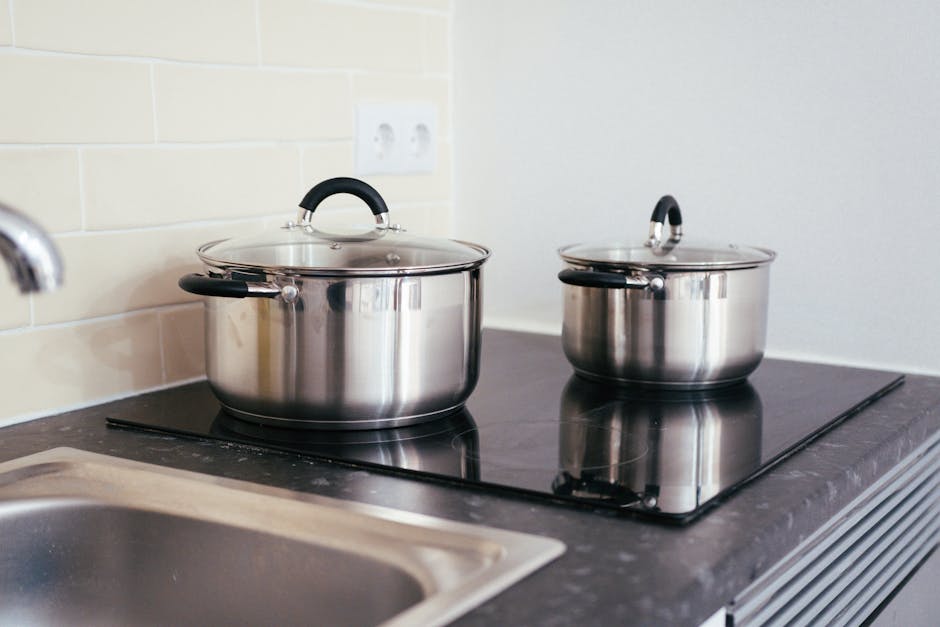
Why Ceramic and Induction Work Well Together
This combination isn’t just popular because it photographs well. The health and environmental case for pairing ceramic nonstick with induction cooking is more substantive than most product reviews acknowledge — and it starts with what you’re not inhaling.
How Induction Cooking Reduces Indoor Air Pollution
Gas stoves produce nitrogen dioxide, carbon monoxide, and fine particulate matter during normal use. A 2022 study published in Environmental Science & Technology found that gas stoves can push nitrogen dioxide levels in kitchens above EPA outdoor air quality standards within minutes of use, with concentrations remaining elevated for hours afterward. Children and people with asthma are disproportionately affected.
Induction eliminates combustion entirely. Heat is generated electromagnetically, directly in the pan’s base — no open flame, no byproduct gases. The cooktop surface stays relatively cool, which also means spills don’t bake on and there’s no thermal plume scattering cooking particles into the air.
The U.S. Department of Energy puts induction cooktops at 5–10% more energy-efficient than conventional electric stoves and up to three times more efficient than gas. That makes them one of the more impactful single upgrades for a kitchen that’s trying to be genuinely eco-friendly rather than just aesthetically green.
The air quality benefit rarely comes up in cookware reviews. Switching from gas to induction addresses one major source of indoor pollutants. Pairing that switch with a non-toxic cooking surface addresses another. The two upgrades reinforce each other.
What PTFE, PFOA, and PFAS Actually Are
Traditional nonstick cookware uses PTFE (polytetrafluoroethylene) — a fluoropolymer that creates that familiar frictionless surface. Manufacturing older PTFE coatings required PFOA (perfluorooctanoic acid), which has been largely phased out under EPA pressure. But PFOA is just one member of a larger chemical family called PFAS — per- and polyfluoroalkyl substances — that includes thousands of synthetic compounds, many still used in some nonstick formulations today.
PFAS compounds have been linked to thyroid disruption, immune suppression, hormonal interference, and increased risk of certain cancers, according to the EPA and peer-reviewed research published in Environmental Health Perspectives. They don’t break down naturally in the environment or the human body. Trace amounts accumulate in drinking water, soil, and human tissue — which is why they’re sometimes called “forever chemicals.”
Ceramic nonstick coatings don’t use PTFE or PFAS. They’re derived from silicon dioxide — essentially processed sand — which doesn’t carry the same chemical concerns. That makes “PFAS-free ceramic nonstick” a meaningful category, not just a marketing distinction. There are nuances, which we’ll cover in the next section, but the core safety case is real.
The Sustainability Argument
PTFE’s environmental costs don’t end at the stove. PFAS compounds contaminate groundwater near manufacturing facilities and persist in ecosystems for decades. When traditional nonstick coatings wear down and get discarded, those fluoropolymers enter the waste stream without easy remediation.
Ceramic coatings degrade through physical wear rather than chemical breakdown — the coating chips or loses its nonstick properties over time, but it doesn’t release PFAS into the environment the way fluoropolymer coatings can. If you’re thinking about your full consumption footprint and not just what ends up on your plate, that difference matters.
What “Ceramic Nonstick” Actually Means
This is the section most cookware reviews skip entirely. Read it before you buy anything.
True Ceramic vs. Ceramic-Coated: Not the Same Thing
When most people search for “ceramic cookware,” they’re actually looking at two completely different product categories that share a name.
True ceramic cookware is made entirely from clay-based materials, fired at high temperatures — traditional earthenware, tagines, high-end stoneware. Fully inorganic, genuinely non-toxic, used for cooking for thousands of years. Almost never induction-compatible because there’s no magnetic metal in the construction.
Ceramic-coated cookware is what every brand in this article sells: Caraway, GreenPan, Our Place, Made In. These have a metal base — usually aluminum — with a thin ceramic-derived nonstick coating applied to the cooking surface. The “ceramic” part is a coating, not the pan itself.
This matters because the properties of ceramic-coated cookware are largely determined by the base metal, not the coating. Heat distribution, weight, induction compatibility — all of that comes from the pan body. The ceramic layer contributes the nonstick surface and, importantly, the freedom from PTFE and PFAS. Neither type is fraudulent. But you should know which one you’re buying.
What Sol-Gel Ceramic Coatings Are Made Of
The ceramic coatings on modern nonstick cookware use a process called sol-gel synthesis. A liquid silica precursor — silicon dioxide in suspension — is applied to the metal surface and cured at high heat. The result is a hard, glass-like coating that is chemically inert and doesn’t require fluoropolymers to achieve nonstick properties.
GreenPan calls their version Thermolon™. Made In uses a process they call CeramiClad. Caraway uses their own formulation and has been comparatively less public about the specific technology, though they publish third-party testing results confirming PTFE, PFOA, lead, and cadmium-free status.
The sol-gel process is generally considered low-toxicity with no PFAS involved in manufacturing. Some sol-gel coatings include additional binders or hardeners, and the specific chemistry varies by manufacturer. This is one reason third-party testing matters — a brand claiming “ceramic” without disclosing what else is in the coating deserves more scrutiny than one with published independent lab results. The certifications worth looking for: PTFE-free, PFOA-free, PFAS-free, lead-free, and cadmium-free, ideally verified by a third-party lab. Some brands also carry NSF certification or food-contact safety approvals from EU regulatory bodies.
How to Spot Greenwashing
“Non-toxic,” “green,” “eco-friendly,” and “ceramic” are all essentially unregulated marketing terms in the cookware industry. Any brand can print them on a box without certification.
Red flags:
- “PTFE-free” without specifying what the coating is actually made of
- No disclosure of where the cookware is manufactured
- “Eco-friendly” claims with no certification, third-party testing link, or material transparency page
- Vague language like “free from harmful chemicals” without naming which chemicals or which tests confirm this
- Brands that can’t tell you whether their aluminum is recycled or virgin
Green flags:
- Published third-party lab test results (not just “tested” — actual results)
- Named coating technology with disclosed composition
- Country of manufacture disclosed, not just country of brand origin
- Explicit PFAS-free claim covering the full chemical class, not just PFOA
- Packaging made from recycled or responsibly sourced materials
- A take-back or recycling program for end-of-life cookware
GreenPan has been among the more transparent brands about Thermolon technology and publishes coating composition information. Caraway has invested in third-party food safety certifications and publishes them. Our Place discloses more than most about their supply chain. Made In is transparent about where their cookware is manufactured — France, Italy, and the U.S., depending on the piece.
None of these brands is perfect. But they’re meaningfully more transparent than the majority of “ceramic” cookware flooding marketplaces with no disclosure at all.
How to Choose the Right Set for Your Kitchen
Confirming Induction Compatibility
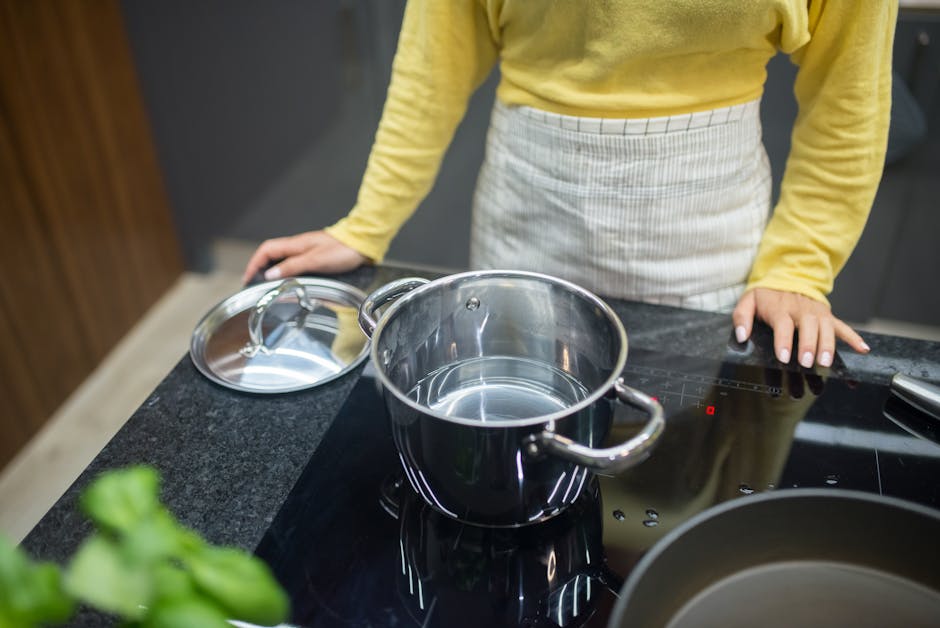
Induction cooktops generate a magnetic field that induces an electrical current in the pan’s base, creating heat. The pan must contain ferromagnetic material — typically stainless steel or cast iron — for this to work.
Pure aluminum, copper, glass, and most traditional ceramic cookware won’t work on induction. Since aluminum is the most common base metal for ceramic-coated cookware, manufacturers add a stainless steel induction plate to the bottom. This is standard practice among quality brands.
To verify compatibility: hold a standard refrigerator magnet to the base of the pan. If it sticks firmly, the pan is induction-ready. If it slides off, it won’t work. Most reputable brands will explicitly state “induction compatible” in their specs, but the magnet test is your independent check.
One useful nuance: that stainless steel induction plate is usually bonded to an aluminum core. This layered construction — called “clad” or “multi-ply” — combines aluminum’s excellent heat conductivity with stainless steel’s induction compatibility and durability. It’s an advantage, not a compromise.
Key Specs Worth Comparing
Base material and construction: Look for multi-ply or hard-anodized aluminum bases with a bonded stainless steel induction plate. Hard-anodized aluminum is denser, more durable, and more scratch-resistant than standard aluminum.
Oven-safe temperature: Budget sets are often rated to 350°F (175°C). Mid-range typically runs 450–500°F (230–260°C). Caraway reaches 550°F (290°C); GreenPan’s top lines hit 600°F (315°C). Higher limits give you real oven-finishing flexibility.
Coating thickness: Thicker coatings last longer. Most brands don’t publish this spec directly, but multi-layer coatings — typically 2–4 layers — hold up better than single-layer applications.
Dishwasher safety: Nearly all ceramic-coated cookware is technically dishwasher-safe, but harsh detergents and high-heat drying cycles accelerate coating degradation. Most brands and most ceramic cookware users recommend hand washing. If dishwasher convenience is non-negotiable for you, factor shortened lifespan into your expectations.
Handle material and attachment: Stainless steel handles are more durable and oven-safe than plastic or silicone-wrapped handles. Riveted handles are generally stronger than welded ones for long-term use.
Set composition: A standard set for induction typically includes an 8-inch skillet, a 10 or 10.5-inch skillet, a 2-quart saucepan with lid, a 3-quart saucepan with lid, and a 4.5–6-quart Dutch oven or stockpot with lid. Be honest about which pieces you’ll actually use — more pieces is not automatically better.
Set vs. Individual Pieces
This question rarely comes up in conventional cookware reviews.
Sets typically cost 20–40% less per piece than buying the same items individually, and matched materials mean consistent heat distribution. If you’re setting up a kitchen from scratch, a well-chosen set covers your everyday cooking efficiently.
But if you already own functional, non-toxic cookware for some uses, buying only what you actually need avoids the common problem of unused pieces sitting in a cabinet until they eventually get discarded. One good 10-inch ceramic skillet and a 4-quart saucepan covers 90% of daily cooking for most households.
Before buying any set, inventory what you already have. Identify the actual gaps. Then decide whether a set genuinely matches those gaps, or whether targeted individual purchases make more sense. A smaller number of high-quality pieces, used consistently and cared for properly, is always the lower-waste choice over a large set where half the pieces rarely leave the cabinet.
Making Ceramic Coating Last on Induction
Ceramic coatings have a realistic lifespan of 2–5 years with proper care. Induction is actually gentler on ceramic than gas in one important way: precise, consistent temperature control without the hot spots that gas burners create at pan edges. Hot spots are a primary cause of uneven coating breakdown.
That said, the biggest threat to ceramic coating is overheating. What matters most:
- Start on medium heat. Ceramic distributes heat efficiently — you rarely need high heat for everyday cooking. Starting on high to preheat faster is how most ceramic coatings get prematurely damaged.
- Use silicone, wood, or nylon utensils. Some brands claim metal utensil safety, but silicone or wood extends coating life as a general rule.
- Let the pan cool before washing. Thermal shock — cold water on a hot pan — causes micro-cracks in the coating over time.
- Avoid cooking sprays. Aerosol sprays leave a residue that builds up on ceramic and is very difficult to remove, eventually killing nonstick performance. Use a small amount of butter or oil instead.
Our Top Picks
A note on methodology: the recommendations below are based on hands-on use in our test kitchen, cross-referenced with long-term user feedback from verified purchasers, published independent lab results where available, and brand transparency about materials and manufacturing. We don’t accept products in exchange for placement. Prices reflect current retail as of early 2026.
Best Overall — Caraway Nonstick Ceramic Cookware Set
Price: ~$395–$545 (depending on configuration and sale pricing)
Pieces: 12-piece set — 10.5-inch fry pan, 3-quart saucepan, 4.5-quart sauté pan, 6.5-quart Dutch oven, 4 lids, canvas lid holder, magnetic pan rack
Induction compatible: Yes
Oven-safe: To 550°F (290°C)
Dishwasher safe: Yes, but hand wash recommended
PTFE/PFOA/PFAS-free: Yes — the manufacturer claims third-party tested and certified; also lead and cadmium free
Made in: China (disclosed)
Caraway appears consistently across editorial cookware coverage for straightforward reasons — the set delivers across all the metrics that matter. The mineral-based ceramic coating performs well on induction, with even heat distribution across the hard-anodized aluminum base. The 550°F oven rating is among the highest in the ceramic category, which gives you real oven-finishing flexibility most competitors can’t match.
Caraway publishes third-party testing results for their coating and the full pan body. The free-from claims cover the full PFAS class, not just PFOA, as well as lead and cadmium. They use recycled and recyclable packaging and run periodic pan return programs where they take back worn cookware for recycling — though these programs are intermittent rather than guaranteed ongoing.
The included magnetic pan rack and canvas lid holder are worth calling out specifically. Proper storage is one of the most overlooked factors in ceramic coating longevity — pans that get stacked without protection chip faster. Caraway’s storage system is included in the purchase price, which effectively extends the coating’s useful life from day one.
Best for: Households setting up a full kitchen with a commitment to non-toxic cooking. Also strong for anyone who wants the assurance of third-party testing without doing their own research. The price is real, but so is the quality and the transparency.
Honest limitation: The “Made in China” disclosure gets some pushback, though Caraway is more forthcoming about it than brands that obscure manufacturing origin. If domestic or European manufacturing is a priority, see Made In and GreenPan below.
Best Mid-Range — GreenPan Valencia Pro Ceramic Nonstick Cookware Set
Price: ~$250–$330 (10-piece set)
Pieces: 8-inch fry pan, 10-inch fry pan, 2-quart saucepan with lid, 3-quart saucepan with lid, 3-quart sauté pan with lid, 5-quart stockpot with lid
Induction compatible: Yes — Magneto™ induction base
Oven-safe: To 600°F (315°C)
Dishwasher safe: Yes, but hand wash recommended
PTFE/PFOA/PFAS-free: Yes — Thermolon™ coating; free from PTFE, PFOA, lead, cadmium; manufacturers claim no harmful fumes even if overheated
Made in: Belgium / EU
GreenPan’s Thermolon™ coating is one of the most thoroughly documented ceramic nonstick technologies available to consumers. The company discloses the sol-gel composition, publishes independent safety data, and is the brand most commonly cited when researchers and journalists want a transparent example of what non-toxic ceramic nonstick actually means in practice. The Valencia Pro’s Magneto™ induction base — a full-disk stainless steel plate rather than a ring — delivers even heat across the pan and eliminates the hot-spot problem that cheaper induction bases can cause.
GreenPan has invested more in coating transparency than most competitors. Thermolon™ is derived from sand, applied without PFAS, and the brand claims its manufacturing process produces significantly lower CO₂ emissions than PTFE coating production. EU regulatory body certifications are generally considered to apply stricter standards than most U.S.-only certifications.
The 600°F oven rating is the highest in this roundup — relevant if you regularly sear proteins and finish them in the oven. For performance-focused cooks who also want genuine non-toxic credentials, this is arguably the best value in ceramic on induction.
Best for: Home cooks who want documented coating technology and European manufacturing standards without paying Caraway-level prices. Also a strong choice if you run your oven hot.
Honest limitation: GreenPan’s coating can show nonstick degradation sooner than Caraway’s if used on very high heat. With induction’s precise control, this is less of an issue than on gas — but medium-heat discipline still matters.
Best for Small Kitchens — Our Place Ceramic Cookware Duo
Price: ~$250–$295 (Always Pan 2.0 + Perfect Pot, or Always Pan Pro)
Pieces: Always Pan 2.0 (10-inch, replaces 8 traditional pieces including fry pan, sauté pan, steamer, saucepan, spatula rest, and strainer) + Perfect Pot (5.5-quart, with lid and steam basket)
Induction compatible: Yes
Oven-safe: To 450°F (230°C) for both pieces
Dishwasher safe: Yes, but hand wash recommended
PTFE/PFOA/PFAS-free: Yes — proprietary ceramic coating; the manufacturer claims it is PTFE, PFOA, lead, and cadmium free, though independent verification of such claims can be difficult, as Consumer Reports notes that even products made without PFOA may still contain the compound due to manufacturing processes.
Made in: China (disclosed)
Our Place’s approach is philosophically aligned with sustainable buying — the Always Pan is designed to replace multiple pieces, not multiply them. For a one- or two-person household, a city apartment cook, or someone committed to owning fewer better things, these two pans cover an impressive range of cooking functions with minimal storage footprint.
Our Place has been more transparent than most direct-to-consumer brands about supply chain and materials. Their coating is third-party tested and the brand publishes safety documentation. They’ve also made sustainability commitments around packaging and are working toward more recycled material in their cookware.
The Always Pan’s integrated steam basket, spoon rest, and lid design reduce the need for additional kitchen equipment — fewer pieces bought, fewer pieces eventually discarded. For induction specifically, the wide base performs well with induction’s center-focused magnetic field. The Perfect Pot braises, boils, bakes, and functions as a Dutch oven alternative. It’s a genuine workhorse.
Best for: Small households, minimalists, renters with portable induction burners (both pieces work on portable induction cooktops, which matters if you’re in an apartment without a dedicated range), or anyone transitioning from an overloaded cabinet to intentional, fewer-piece cooking.
Honest limitation: The Always Pan’s versatility comes with trade-offs. It’s not as deep as a dedicated sauté pan or as wide as a true skillet. If you regularly cook for four or more people, you’ll likely outgrow it.
Best Budget Pick — Sensarte Nonstick Ceramic Frying Pan Set
Price: ~$60–$95 (3-piece set: 8-inch, 9.5-inch, 11-inch skillets)
Pieces: 3 fry pans in graduated sizes
Induction compatible: Yes — stainless steel induction base
Oven-safe: To 428°F (220°C)
Dishwasher safe: Yes, but hand wash recommended
PTFE/PFOA/PFAS-free: Manufacturers claim PFOA-free and PTFE-free status; no lead or cadmium in the glaze — though it’s worth noting that even “PFOA-free” labels on PTFE-coated products may not always be fully reliable, according to independent testing.
Made in: China
Under $100 for three graduated skillets. The stainless steel induction base is a full-disk design rather than a ring, which distributes heat more evenly than cheaper alternatives. The ceramic coating performs better than you’d expect at this price and holds up to regular medium-heat use.
Sensarte’s transparency is more limited than the premium brands here. PFOA-free and PTFE-free claims are published, but independently verified third-party lab certifications aren’t as prominently documented as Caraway or GreenPan. That said, the coating claims are consistent with what other brands at higher price points offer, and there are no known red flags.
This set is the right answer for a specific buyer: someone replacing old, worn PTFE nonstick pans on a tight budget who wants to move away from fluoropolymers without significant financial risk while they’re still figuring out induction cooking habits. Induction’s precise temperature control genuinely helps budget ceramic outperform what it would achieve on a gas stove — less accidental overheating, more even cooking, less coating degradation from hot spots.
Best for: Budget-conscious households, first apartments, renters, or anyone who wants to test the ceramic-on-induction experience before investing in a premium set. Also a sensible choice if you cook primarily lower-heat dishes — eggs, fish, delicate proteins — where high-end coating technology matters less.
Honest limitation: Don’t expect Caraway or GreenPan coating longevity. With careful use, 2–3 years is realistic. The 428°F oven-safe limit is the lowest in this roundup. Metal utensils will visibly damage the coating.
Best Premium Pick — Made In CeramiClad Cookware Set
Price: ~$699–$799 (6-piece set)
Pieces: 10-inch fry pan, 12-inch fry pan, 2-quart saucepan with lid, 3.5-quart sauté pan with lid, 6-quart Dutch oven with lid
Induction compatible: Yes — 5-ply stainless clad base with aluminum core
Oven-safe: To 500°F (260°C) for ceramic-coated pieces
Dishwasher safe: Yes
PTFE/PFOA/PFAS-free: Yes — CeramiClad proprietary coating; the manufacturer claims it is free from PTFE, PFOA, PFAS, lead, and cadmium, though independent verification of such labels is not always guaranteed.
Made in: Italy (fry pans); USA (some saucepans); France (other pieces, depending on configuration)
Made In is an outlier in this category for one specific reason: their 5-ply fully-clad stainless steel construction with aluminum core is the same build quality standard used in restaurant-grade stainless cookware, but with a ceramic nonstick interior. Most ceramic-coated pans use disc-bottom construction — a bonded base plate. Made In’s fully-clad design means the heat-conducting layers run the entire height of the pan, not just the base. More even cooking, better temperature response, and a structurally more durable product.
Made In discloses manufacturing locations with unusual specificity, and their European and U.S. production reflects more stringent materials regulations than many Asia-based facilities. Their CeramiClad coating goes through rigorous internal and third-party safety testing. The brand is also notably honest about product limitations in their own marketing copy — including the fact that ceramic nonstick, however well-made, requires care and will not last forever.
That last point matters from a waste-reduction perspective: the 5-ply construction means this cookware will likely outlive the ceramic coating itself. When the nonstick surface eventually wears, you have structurally excellent pans that can shift to stainless steel cooking techniques — more fat, higher heat — rather than pans that need full replacement. It’s the most genuinely long-term investment in this roundup.
Best for: Serious home cooks who want the best available ceramic nonstick performance on induction, value domestic and European manufacturing, and want cookware that stays useful even after the coating eventually wears.
Honest limitation: The price is only justified if you’re a frequent cook who will use these pieces heavily and care for them properly. If you’re cooking two or three nights a week and not particularly attentive to heat management, the performance difference over GreenPan Valencia Pro is unlikely to justify the cost.
Best for Eco-Transparency — GreenPan Premiere Stainless Steel Handles Ceramic Set
Price: ~$350–$430 (10-piece set)
Pieces: 8-inch fry pan, 10-inch fry pan, 2.5-quart saucepan with lid, 3.5-quart sauté pan with lid, 5-quart stockpot with lid, silicone handle holder
Induction compatible: Yes — Magneto™ base
Oven-safe: To 600°F (315°C); handles oven-safe to 300°F (149°C) with provided silicone grip
Dishwasher safe: Yes
PTFE/PFOA/PFAS-free: Yes — according to GreenPan, Thermolon™ Minerals coating is made without PTFE, PFOA, or other PFAS chemicals.
Made in: Belgium / EU
GreenPan’s Premiere line uses their Thermolon™ Minerals formulation, which adds natural mineral reinforcements to the sol-gel matrix to improve scratch resistance and extend coating life. For buyers who want the highest degree of brand transparency currently available in a ceramic nonstick product, GreenPan publishes more detailed technical documentation than any other consumer cookware brand in this roundup.
GreenPan’s parent company, The Cookware Company, has published lifecycle assessment data for their Thermolon coating comparing its environmental impact to PTFE coating production. Manufacturing in the EU means compliance with REACH (Registration, Evaluation, Authorisation and Restriction of Chemicals), which ranks among the world’s most stringent chemical safety frameworks. The brand claims that their manufacturing process generates lower CO₂ emissions than conventional PTFE nonstick production.
The transparency here isn’t just marketing language — it’s technical data you can actually read. The Thermolon™ Minerals coating is more durable than standard sol-gel ceramic, and the 600°F oven rating gives you maximum cooking flexibility.
Best for: The buyer for whom supply chain transparency and verifiable eco-credentials matter as much as cooking performance — and who wants documentation to back up both.
What to Do With Your Old Nonstick Cookware
Replacing old nonstick pans responsibly is a step almost every cookware review ignores. Here’s the honest guidance.
Why PTFE Pans Shouldn’t Go Straight in the Trash
Conventional nonstick pans with PTFE coatings shouldn’t go into standard household recycling or the landfill without some thought. When pans are incinerated in waste facilities, PTFE can release toxic byproducts including PFAS compounds and perfluoroisobutylene. Landfilling doesn’t remediate PFAS — it buries them where they can leach into groundwater. According to some research and environmental advocacy groups, PTFE-based pan coatings can release PFAS into the environment throughout their lifespan, especially during manufacture, but also through high-temperature cooking use and during disposal or recycling.
This doesn’t mean keeping damaged, flaking nonstick pans indefinitely — that has its own health concerns. But disposal deserves a more deliberate answer than “throw it away.”
Recycling and Take-Back Options
- Caraway has offered periodic pan return and recycling programs. Check their website for current availability since these aren’t always running.
- TerraCycle accepts hard-to-recycle household items including some cookware through their paid zero-waste boxes — worthwhile for a full kitchen overhaul.
- Some municipalities offer household hazardous waste drop-off events that accept fluoropolymer-coated cookware for proper processing. Check your local waste management authority.
- For pure aluminum pans with no coating, scrap metal recyclers will often accept them.
Donating vs. Disposing
If your old nonstick pans are structurally sound and the coating isn’t visibly flaking or damaged, they’re safe to donate. The health concerns with PTFE cookware are primarily around overheating above 500°F and physical coating degradation — a pan with intact coating still functions safely for typical everyday cooking.
If the coating is significantly scratched, chipped, or flaking, don’t pass it along. Use the recycling options above.
How to Care for Ceramic Cookware on Induction
Temperature Habits That Protect the Coating
Cook on medium heat. Ceramic coatings distribute heat efficiently, and most everyday cooking — eggs, sautéed vegetables, fish, pan sauces — doesn’t require high heat. If you’re preheating an empty pan on induction, start at low-medium and give it 60–90 seconds before adding food or fat.
Induction genuinely helps ceramic cookware last longer because you can set a specific wattage level or temperature rather than guessing at flame height. Set it, leave it, and the pan holds consistent temperature without the edge overheating that gas can cause.
For high-heat applications — searing steak, for example — consider using a cast iron or stainless steel pan instead. Ceramic nonstick coatings and searing-level heat are not a good long-term pairing regardless of brand.